The Creative Buddhist Newsletter ͏ ͏ ͏ ͏ ͏ ͏ ͏ ͏ ͏ ͏ ͏ ͏ ͏ ͏ ͏ ͏ ͏ ͏ ͏ ͏ ͏ ͏ ͏ ͏ ͏ ͏ ͏ ͏ ͏ ͏ ͏ ͏ ͏ ͏ ͏ ͏ ͏ ͏ ͏ ͏ ͏ ͏ ͏ ͏ ͏ ͏ ͏ ͏ ͏ ͏ ͏ ͏ ͏ ͏ ͏ ͏ ͏ ͏ ͏ ͏ ͏ ͏ ͏ ͏ ͏ ͏ ͏ ͏ ͏ ͏ ͏ ͏ ͏ ͏ ͏ ͏ ͏ ͏ ͏ ͏ ͏ ͏ ͏ ͏ ͏ ͏ ͏ ͏ ͏ ͏ ͏ ͏ ͏ ͏ ͏ ͏ ͏ ͏ ͏ ͏ ͏ ͏ ͏ ͏ ͏ ͏ ͏ ͏ ͏ ͏ ͏ ͏ ͏ ͏ ͏ ͏ ͏ ͏ ͏ ͏ ͏ ͏ ͏ ͏ ͏ ͏ ͏ ͏ ͏ ͏ ͏ ͏ ͏ ͏ ͏ ͏ ͏ ͏ ͏ ͏ ͏ ͏ ͏ ͏ ͏ ͏ ͏ ͏ ͏ ͏ ͏ ͏ ͏ ͏ ͏ ͏ ͏ ͏ ͏ ͏ ͏ ͏ ͏ ͏ ͏ ͏ ͏ ͏ ͏ ͏ ͏ ͏ ͏ ͏ ͏ ͏ ͏ ͏ ͏ ͏ ͏ ͏ ͏ ͏ ͏ ͏ ͏ ͏ ͏ ͏ ͏ ͏ ͏ ͏ ͏ ͏ ͏ ͏ ͏ ͏ ͏ ͏ ͏ ͏ ͏ ͏ ͏ ͏ ͏ ͏ ͏ ͏ ͏ ͏ ͏ ͏ ͏ ͏ ͏ ͏ ͏ ͏ ͏ ͏ ͏ ͏ ͏ ͏ ͏ ͏ ͏ ͏ ͏ ͏ ͏ ͏ ͏ ͏ ͏ ͏ ͏ ͏ ͏ ͏ ͏ ͏ ͏ ͏ ͏ ͏ ͏ ͏ ͏ ͏ ͏
Red Ladder Studio
 

THE CREATIVE BUDDHIST NEWSLETTER


LENT: Whatever you gave up, there’s only 15 days to go!

Dear Subscriber First Name,

Search the internet for ‘ideal morning routine’ and you’ll get a million results, but you won’t find your ideal morning routine. Don’t worry, you can create it yourself.

On the last few retreats I’ve led, I’ve changed the morning schedule. It used to be a wake-up bell at 6.30am, then a double meditation from 7 to 9. You’d walk outside to the meditation room and your first glimpse of the day is the mist rising through the majestic trees that surround the retreat centre, except you don’t have time to take it in as you are late for the meditation!

The new schedule is no schedule. Instead, there’s an invitation to create your own morning practice. At first people are a little thrown, “What? I can do what I want?” But soon it becomes the most cherished part of the retreat. One person is getting up early, and going into the woods with a flask of coffee to meditate amongst the trees, then arriving later in the meditation room to sit with others. Another is also outside, wrapped in a blanket, with tea writing in their journal. There’s qigong, yoga, a morning walk, sitting quietly in the shrine room, walking meditation outside, standing meditation in the woods, reading dharma, reading poetry, writing about your dreams. And tea, coffee and even toast accompany all of this.

Some of these activities are more explicitly what we call meditation. But if we engage with them in the right way, they can all be our meditation practice. Thich Nhat Hanh tells us: “Meditation is not evasion; it is a serene encounter with reality.” So any practice in which we are not evading our actual experience, but coming into deeper contact with it, could be seen as a meditation practice. Of course, we all know that sitting in meditation posture with our eyes closed isn’t always meditation. We might be planning tonight’s dinner!

Maybe you already have a meditation practice that you love. But if not, why not design one? You don’t even have to stick to the same one, you can change it as often as you like. You could even have a practice that was so open that you just asked yourself each morning, ‘What wants to happen this morning?’ and trusted the answer that came through.

My current routine looks like this. I have coffee in bed and read, usually Dharma. Then I go out to the woods to do a little qigong, including some (newly discovered) standing meditation. Afterwards I sit in my room, sometimes with more coffee, and look out the window for a while, just doing nothing. Then I dip into my books and notes, do some pondering and writing and more looking out the window. I once heard someone describe the Dali Lama’s routine. They said he meditates for a couple of hours... with his books. With his books?! How can you meditate with books? I thought I would love that, so that’s what I do.

What would you love your practice to look like?


The April Dharma Bundle is now live ⬇️
The Dharma Bundle is a ‘bundle’ of dharma resources, thoughtfully made and beautifully packaged. Short, illustrated Dharma videos and audio talks. Audio meditations and reflections. Creative assignments. Zoom meetups. Find out more here.

April’s Dharma Bundle 

The Vajra: 
5 kinds of confidence

Last month we asked ourselves, are we confident in the possibility of awakening? This month we explore what that confidence will look like. How will we manifest it in the world? 

  • Video or audio: Samsara and Nirvana

  • Audio Meditation: How to stop creating samsara

  • Video or audio: The 5 kinds of confidence

  • Video or audio: Being unafraid of fear

  • Creative Assignment: Stepping into our confidence

  • Video: Zoom workshop recording

LIVE ZOOM WORKSHOP
The two paths
: 
Working on personal growth and awakening

What is it we are trying to do? Wake up to the true nature of our being, eternally free? Or get our shit sorted out so we stop creating suffering for ourselves and others? Are they the same thing or different? Taking inspiration from Bruce Tift, we’ll see how there are two seemingly contradictory paths that we can follow at the same time! 

📅 Saturday, 12th April
⏰ 9.30–11:00 PM (BST)

 
 DHARMA BUNDLE MEMBER SPACE 

On my radar this week

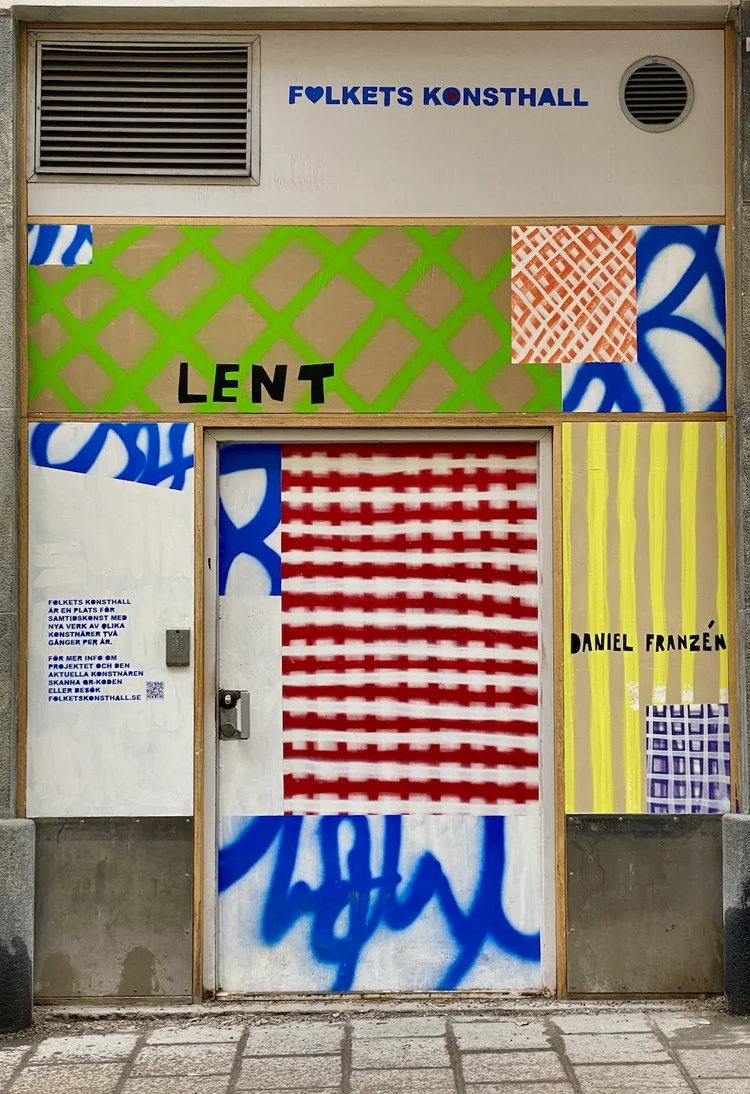
Art photos from the Stockholm metro

Book - Ritual:
Ritual is the kind of book that makes you want to go to bed early (I’m not sure why I always have to read in bed—guess it's a ritual!). It's the history of ritual, which, it turns out, is also the story of what it means to be human. But it starts with death rituals performed by crows and elephants. The book is packed with fascinating stories of rites and ceremonies from around the world. The author is constantly asking, "Why do we perform these rituals?"—but rarely finds any logical answers.

Photography - Miksang Contemplative Photography:
My friend Hiltrud is finally offering her online course - Introduction to Miksang Contemplative Photography in English. I've explored Miksang a little myself and loved it, it's like meditating with a camera. It's less about technique and more about learning to notice and capture those moments of fresh perception. I'll be taking part, maybe see some of you there?

TV - Mr Loverman:
Mr Loverman is a dramatization of Bernardine Evaristo’s novel, set in London, and centers around two men from the Windrush generation who have been secretly in love with each other for 50 years, since they were boys in Antigua. However, the attitudes of their generation and community make it feel impossible for them to come out. Heart-wrenching stuff, beautifully acted.

Book - Breath:
Jame's Nestor's Breath is actually on my 'to-read' pile, but I can pass along this recommendation from my wife, who’s already shared most of the insights with me. She's even making me breathe through my nose on our evening walks—yes, even on the uphill ones! She's sold on it, and it’s becoming undeniable that learning to breathe properly is one of the most important things you can do for both your physical and emotional health.

Diary extracts:

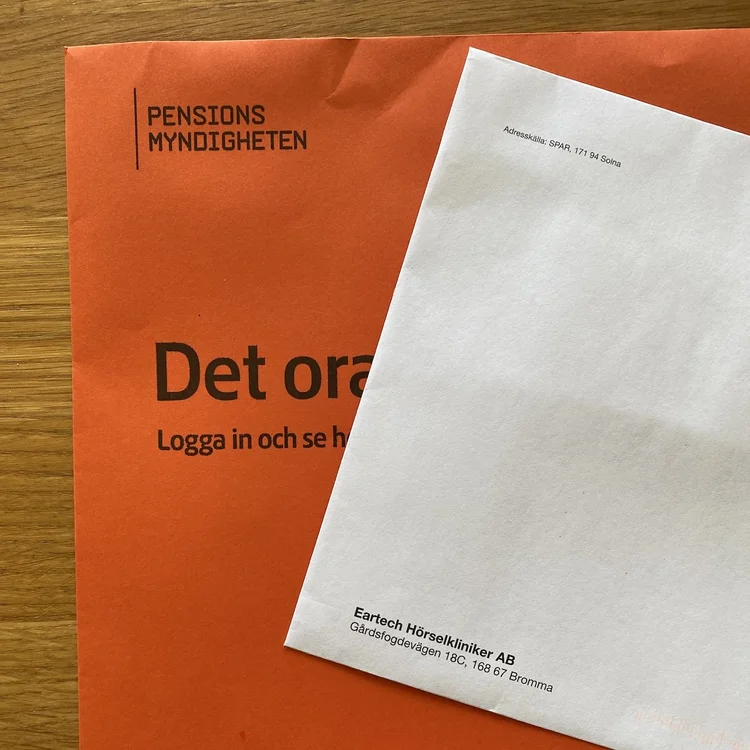
It’s come to this.
My post, news about my pension and an invitation to have my hearing tested!

How do I know if I’m egotistical?

"I like doing things for others, but I also know that, in some way, it benefits me. The same goes for spending time with people—there’s something nice about being seen and liked. Does that make me egotistical for enjoying these acts of kindness or social interactions?

The first thing that came into my head was a quote I’ll paraphrase: Because we live in a world where karma is at play, it’s as if we’re already living in what the Buddhists call a "Pure Land."

I’m sure there’s a similar idea in the Christian tradition, too. It’s pretty amazing that when we do good, it’s good for us—and when we mess up, we pay the price. So, in a way, we’re living in heaven on earth… or at least, if you imagine the opposite it would be like a living hell!

The rule seems simple: if you feel a generous impulse, go for it. Don’t overthink how pure your motives are. There’s already enough that can block our generosity as it is.

Then, we can notice when the ego gets involved and try to become more self-forgetting over time.

Two things I try to remember:

  1. Offering help: Sometimes I want to help, but on my terms - I want the person to do what I think they should do. I try to practice offering help and being open to what they actually want, even if it means letting go of my own opinions (which is harder than it sounds!).

  2. Listening: I try to really listen. I’ll admit, sometimes I’d rather be the one talking, but I’ve found that listening fully feels like a more generous, less ego-driven act. It’s not just hearing someone—it’s about asking good questions and getting them to open up.

I also think we can really enjoy how good it feels to do something for someone else, or to be there for someone else. The more we enjoy that feeling the more generous we'll be with our time and attention and everyone will benefit from that!


I asked you for some writing prompts in the form of questions and this was one of many, thank you for getting me thinking!


A quote I’m thinking about:

"I have been fortunate enough to see many beautiful things in my life. I have experienced the splendour of Mount Kanchenjunga and the vista of Himalayas. I've entered the cool and tranquil perfection of Alhambra. I have viewed many of Monet's finest paintings, and visited his natural masterpiece, the riot of life and colour of his garden at Giverny. However probably the most beautiful things I've ever seen were a couple of margarine tubs in the kitchen of an old Welsh cottage after a particularly good meditation on a solitary retreat in the 1980s. It is the mind that transmutes the base metal of experience into gold and gold into base metal.”

- Vessantara


Sending love and birdsong,
Vajradarshini

Red Ladder Studio
Unit 50435, PO Box 6945
London, W1A 6US
UK

Unsubscribe

Red Ladder Studio